People with cystic fibrosis (CF) have a protein in their cells that doesn’t work right. This protein is called the cystic fibrosis transmembrane conductance regulator (CFTR). CFTR controls the flow of water and certain salts in and out of the body’s cells. As the movement of salt and water in and out of cells changes, mucus becomes thickened.
In the reproductive system, the thickened secretions can cause blockages. These can affect how the sex organs develop and function.
CF does not affect sexual drive or performance. But it may cause these symptoms:
-
Delayed sexual development
-
Absence or stopping of menstruation
-
Irregular menstrual periods
-
Inflammation of the cervix
-
Infertility or sterility
-
Anxiety or feeling of negative body image
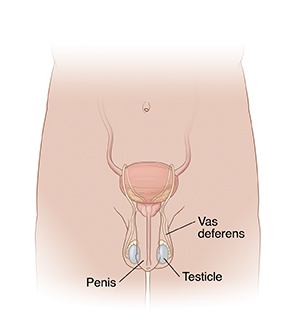
For most males with CF, the tube that carries sperm to the penis (vas deferens) does not develop. This is called congenital bilateral absence of the vas deferens (CBAVD). This condition does not affect the ability to have sex. But they can’t father a child through intercourse. Most males with CF still produce sperm in the testicles. This means they may still have biological children with the help of assisted reproductive technology (ART).
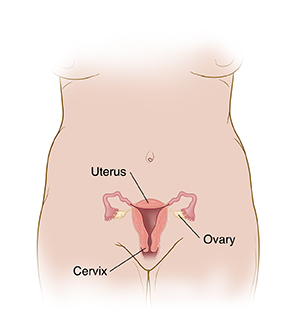
Females with CF may have irregular ovulation and an increase in thick cervical mucus. This may make it harder for them to get pregnant. But most females with CF can get pregnant. They should use birth control if they don't want to be pregnant. Those who have trouble getting pregnant can consider ART as a way to start a family.
Anyone who has CF should think about the added demands of parenthood and how it might affect their own health. The decision is personal. Females with CF especially need to make sure they are healthy enough to carry a child. Talk with your care team if you are thinking about parenting or having a baby.
Date Last Reviewed: 03/01/2025
© 2000-2026 The StayWell Company, LLC. All rights reserved. This information is not intended as a substitute for professional medical care. Always follow your healthcare professional's instructions.